
Writing
What Good Looks Like
Practical insights on analytics strategy and operational visibility for mid-market leaders.
All posts
-
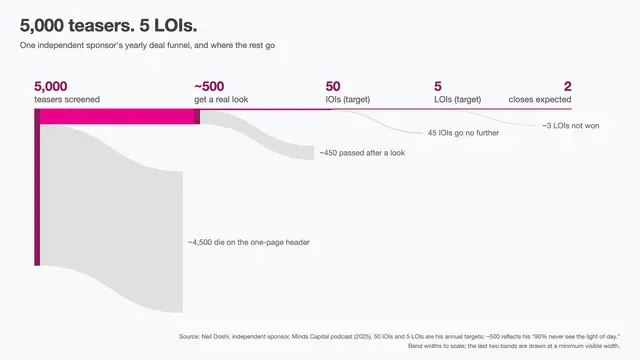
Independent Sponsor Deal Sourcing: 5,000 Teasers to 5 LOIs
One independent sponsor screens 5,000 teasers a year and targets 50 IOIs and 5 LOIs. Most run that funnel on instinct. Here's how to instrument it.
-
The Reporting Trap: PE Portcos' Hidden Time Tax
PE-backed operators lose their best hours producing board decks every month. Reporting infrastructure is how they get that time back to run the business.

-
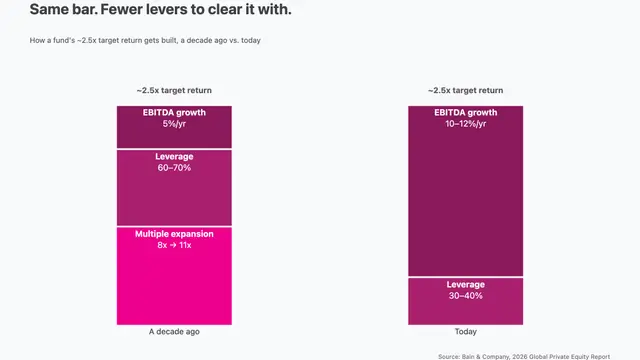
12 Is the New 5: PE's New Math Is a Data Model Problem
Bain's 2026 report says PE deals now need 10-12% EBITDA growth, not 5%, to hit target returns. That's not a metrics problem. It's a data model problem.
-
The Private Credit Stress Test Hits Portfolio Operations
The private credit default rate hit a record 6.0% this year, and 40% of borrowers now have negative free cash flow. The diligence gap nobody stress-tests.

-
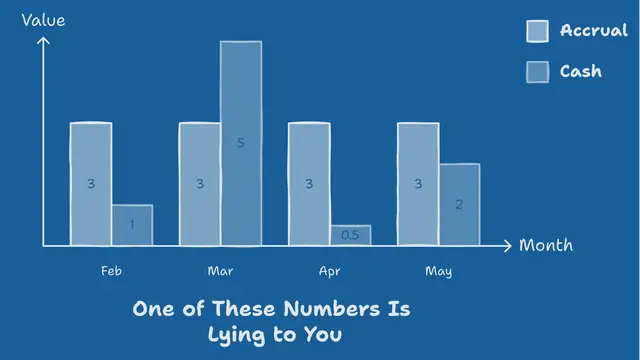
Cash vs Accrual Revenue: Why Your Fastest KPI Lies
Cash vs accrual revenue: how a timing shift fakes a performance swing, and why the number that tells the truth is the one nobody can pull automatically.
-
The Emotional Work Nobody Preps Founders For Before a Sale
Deals die when sellers can't answer one question: what does work provide beyond money? The emotional exit planning founders skip until it's too late.

-
The Smartest People in PE Are Leaving to Run the Companies
PE practitioners are leaving deal seats to operate the companies they used to buy. What that migration says about where returns actually come from now.

-
The Analytics Roadmap PE-Backed Operators Actually Need
A generic analytics roadmap is built for permanence. PE-backed companies get a hold period — sequence one around the board, the 100-day plan, and exit.

-
How to Vet Capital Providers Before They Retrade You
Independent sponsors raise deal-by-deal, which hands capital providers the leverage to retrade you at the 11th hour. Here's how to vet them first.

-
Know Your Strike Zone: The Discipline PE Operators Skip
The best PE-backed operators don't chase every opportunity. They define their strike zone, say no to good-looking pitches, and execute relentlessly inside it.

-
The CEO Who Never Leaves the Office
Value creation plans stall when CEOs manage from the spreadsheet, not the floor. Here's the structural alignment fix every PE operating partner needs.

-
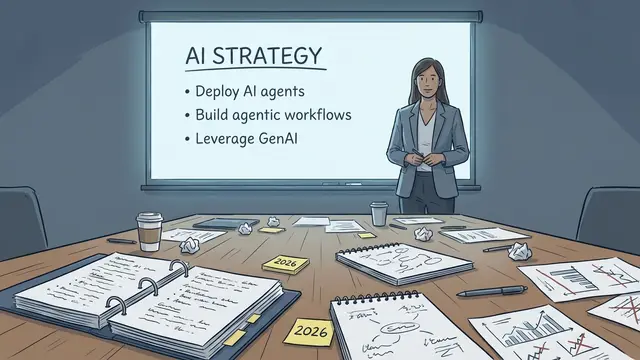
AI Is a Tactic, Not a Strategy: Why PE Portcos Get Stuck in Pilot Purgatory
PE boards demand AI strategy. Portcos launch pilots. Six months later, nothing's changed. Here's the three-question framework that separates tactic from noise.

-
The Week That Determines the Next 18 Months
80% of year-1 value destruction in PE traces to three unanswered post-close questions. QHP Capital's week-one sprint is the operating partner's tested fix.

-
Building Models Nobody Uses: The Analytics-to-Action Gap in PE
PE-backed companies spend real money on analytics. The models work. The reports go out. And nothing changes. That's not a data problem—it's a design problem.

-
Why PE Portcos Are Paralyzed by Technology Decisions
Fear of failed ERP implementations keeps PE portcos running on spreadsheets long after they should have upgraded. Here's how to break the paralysis.

-
The 30-Second Rule That Doubles Your Conversion Rate
Speed-to-lead isn't a sales tactic — it's an operational discipline. One data point from a PE growth officer changes how you think about lead response time.

-
What PE Actually Does on Day 1 (And Why Operators Are Rarely Ready)
PE doesn't buy your business to run it the way you did. Here's the specific playbook they execute post-close — and what operators need to understand before it lands on them.

-
The Platform Gap: Why PE Pays for Underinvestment at Exit
Platform underinvestment is PE's silent value destroyer. The operating foundation erodes while growth gets the attention — and the cost compounds until exit.

-
Why Deals Die at the Altar: The DD Gap Nobody Runs
Most broken LOIs aren't about valuation. They're about sellers who didn't know they weren't ready. Here's how to screen for it before you waste six months.

-
The Era of Financial Engineering Is Over — Why Operational DD Is No Longer Optional
Two-thirds of PE returns came from leverage and multiple expansion. Those levers are gone. The case for operational due diligence as the new table stakes.

-
The Rollup Data Problem That Surfaces at Exit
Five acquisitions in, most independent sponsors have built a data problem they never budgeted for. Why rollup data chaos compounds — and shows up at exit prep.

-
Growth Is the Hardest Part of PE Value Creation
PE narrative says cost-cutting is easy and growth is the sophisticated play. Operators experience it backwards — and growth is the genuinely harder problem.

-
The 20-Page Spreadsheet Problem: Why Volume Isn't Visibility
Most operators inherit a 20-page spreadsheet and mistake volume for visibility. The fix isn't replacement — it's translation.

-
Coachability: The One Trait That Predicts Management Team Success
PE has frameworks for everything except the people. The single best predictor of post-acquisition success is simpler — and rarely on the diligence checklist.

-
Can't Change What You Can't Measure: The PE Data Access Problem
Diligence validated the financials. Day 1, you ask for unit economics — they don't exist. How the best operators build visibility before the data is handed over.

-
How to Cascade Metrics From the Board Deck to the Shop Floor
Your portco has KPIs. Your board gets a monthly deck. But the operations team can't name three metrics they own. Here's how to fix the broken middle — with a worked example.

-
Why Your Portco Can't Tell You What Good Looks Like
PE firms have pattern recognition from hundreds of deals. Portfolio companies are seeing their situation for the first time. That knowledge gap is the real problem.

-
What 'Good' Looks Like in PE Portfolio Operations
Every PE fund asks 'is this normal?' after close. Here are the industry-specific operating benchmarks that answer the question.

-
The 35% Turnover Problem PE Diligence Doesn't Catch
Your QofE confirmed the EBITDA. It didn't confirm who creates it. Here's why 35% turnover post-close keeps blindsiding PE-backed deals.

-
Building Trust as the New Owner
Your employees are wondering if they'll still have a job. Trust doesn't transfer with the purchase agreement. Here's how acquirers actually earn it.

-
Why Roll-Up Integration Stalls, and the 0/30/90 Fix
Six acquired companies, six platforms doing one job. The 0/30/90 framework sequences the platform decision, the migration path, and the people side.

-
Five Acquisition Mistakes Operators Keep Repeating
The acquisition mistakes that hurt most aren't in the spreadsheet. They're in priorities, pacing, and psychology — and operators keep making the same five.

-
Why Data Access Is the Real Day 1 Problem
Most PE operators fly blind on KPIs for months post-close. A 4-step framework to build operational visibility when nobody's handing you the data.

-
The DD Type PE Firms Skip (And Pay For Later)
PE firms run financial, commercial, legal, and tax diligence on every deal. The one they skip — operational — predicts post-close success.

-
40% of Day-One CEOs Don't Survive PE Ownership
Most CEO turnover after PE acquisition isn't about failure. It's about fit. Here's what separates the operators who make it.

-
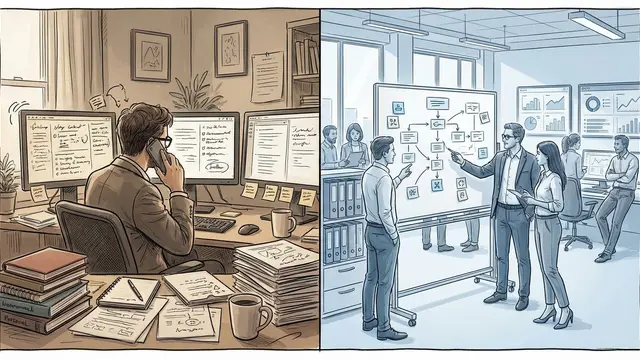
Founder-Led to System-Led: How PE Operators Replace Tribal Knowledge After Acquisition
When a founder exits, the intuition that ran the business exits with them. Here's how PE-backed operators build systems that scale before inherited knowledge walks out the door.
-
Why Data Organization Must Come Before AI Strategy
Everyone's racing to adopt AI. But without clean, organized data, it's just expensive guessing. Here's what PE professionals are seeing.
-
Why PE Portfolio Reporting Stays Broken (And How to Fix It)
Eight portcos. Eight formats. Eight definitions of revenue. Here's the standardization framework that fixes PE portfolio monitoring without forcing ERP migration.

-
Beyond the Spreadsheets: What PE's Day One Playbook Gets Wrong About Operations
Financial due diligence tells you what a business earned. It can't tell you if it can keep earning it. Here's how to get operational ground truth before the numbers lie to you.

Before you talk to anyone
Work out what your current reporting costs you.
Bring the number you don't trust. We'll tell you what it would take to fix it.
Thirty minutes, no deck. If it isn't work we should do, we'll say so on the call.